Go Bag and Car Emergency Kit: What to Pack
A small kit for leaving home in a hurry, and a car kit for breakdowns and delays. What to pack, how to keep it fresh and where to store it.
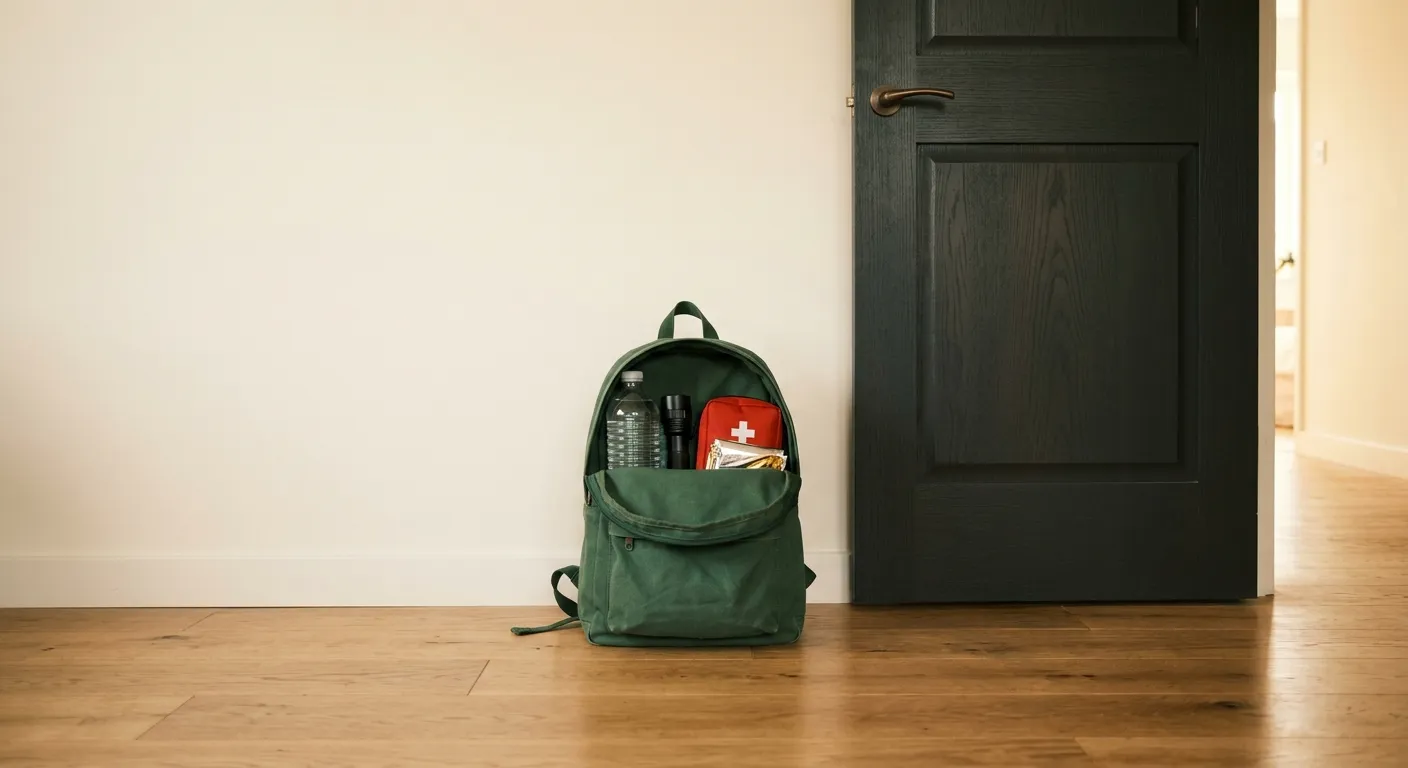
What a go bag is for
A go bag is for leaving home quickly for a night or three: a flood, fire, gas leak or evacuation order. It is not a survival pack for weeks. It needs to be light enough to carry, and it should be ready and by the door, so that packing is not the problem when time is short.
One bag per adult is ideal, with a smaller one for each child carrying comfort items and their own water.
What to pack
- Water: at least one litre per person to start, and a way to get more.
- Food that needs no cooking: bars, nuts, dried fruit, crackers, and a tin with a ring pull. Ready.gov's list includes protein and fruit bars, dry cereal, peanut butter and dried fruit.
- A torch or head torch and spare batteries. Your phone's torch drains the battery you need.
- A small first aid kit and any medicines, with a written list of doses and allergies.
- Phone, charger and a power bank.
- Copies of important documents: ID, insurance, prescriptions, contact numbers, in a waterproof pouch, plus a paper list of key phone numbers in case your phone dies.
- Cash, including small notes and coins.
- Warm and waterproof clothing, spare socks and a foil blanket.
- Hygiene basics: wipes, toothbrush, sanitary items, hand sanitiser.
- A whistle, gloves, a dust mask and a multi-tool or small knife where legal.
- Baby, pet and special-diet items if they apply to you.
- A radio with batteries or a wind-up one, so you can hear official updates if the network is down.
Leave out the gadgets. The packs that get used are the ones that are simple and light.
A basic car kit
A car kit is more about breakdowns, delays and bad weather than evacuation. It can live in the boot permanently:
- a torch and spare batteries, or a wind-up one,
- a first aid kit,
- warm blanket or foil blankets, and gloves and a hat in winter,
- bottled water and long-life snacks, swapped out regularly,
- a high-visibility vest and a warning triangle where required,
- a phone charger cable and power bank,
- jump leads or a jump starter, a tyre inflator or a repair kit,
- a small shovel, an ice scraper and de-icer in winter,
- a paper map or road atlas of your area.
Heat inside a parked car in summer can be extreme, so do not leave medicines, lighters, gas canisters, batteries or food in there through hot weather. Swap water and food seasonally.
Keeping it fresh
A kit that is packed once and forgotten will fail at the worst time. Set two dates a year, such as when the clocks change:
- Empty the bag. Check every item works and is in date.
- Replace food and water, and batteries in torches and radios.
- Update medicine lists, documents and cash.
- Adjust clothing for the season and for growing children.
- Repack, and put it back in the same place.
Track the items with dates in your stock list so they come up alongside your food. Six months is also the interval at which food safety and emergency agencies suggest refreshing stored food and water.
Go bag questions
What is the most important thing in a go bag?
Water, a torch, your medicines and copies of important documents and phone numbers. Everything else adds comfort.
How often should I refresh a go bag?
Twice a year is a good rhythm. Replace food, water and batteries and update medicines and documents.
How heavy should a go bag be?
Light enough that you can walk with it for some distance. If you would leave it behind, it is too heavy.
What should I keep in my car?
A torch, first aid kit, blanket, water, snacks, phone charger, high-visibility vest and jump leads or a jump starter, plus winter gear if it applies to you.
Where this comes from
The food suggestions follow Ready.gov, the six-month refresh follows Michigan State University Extension and CDC water guidance, and the point about phone torches follows the UK government's Prepare campaign as summarised by Evaq8. Your national and local emergency agencies publish lists tailored to local risks, and it is worth reading them.
Related guides
Be prepared!