Only Stockpile Food You Actually Eat
The cheapest way to keep a stockpile is to buy things you cook with every week. Then rotation looks after itself and nothing gets thrown out.
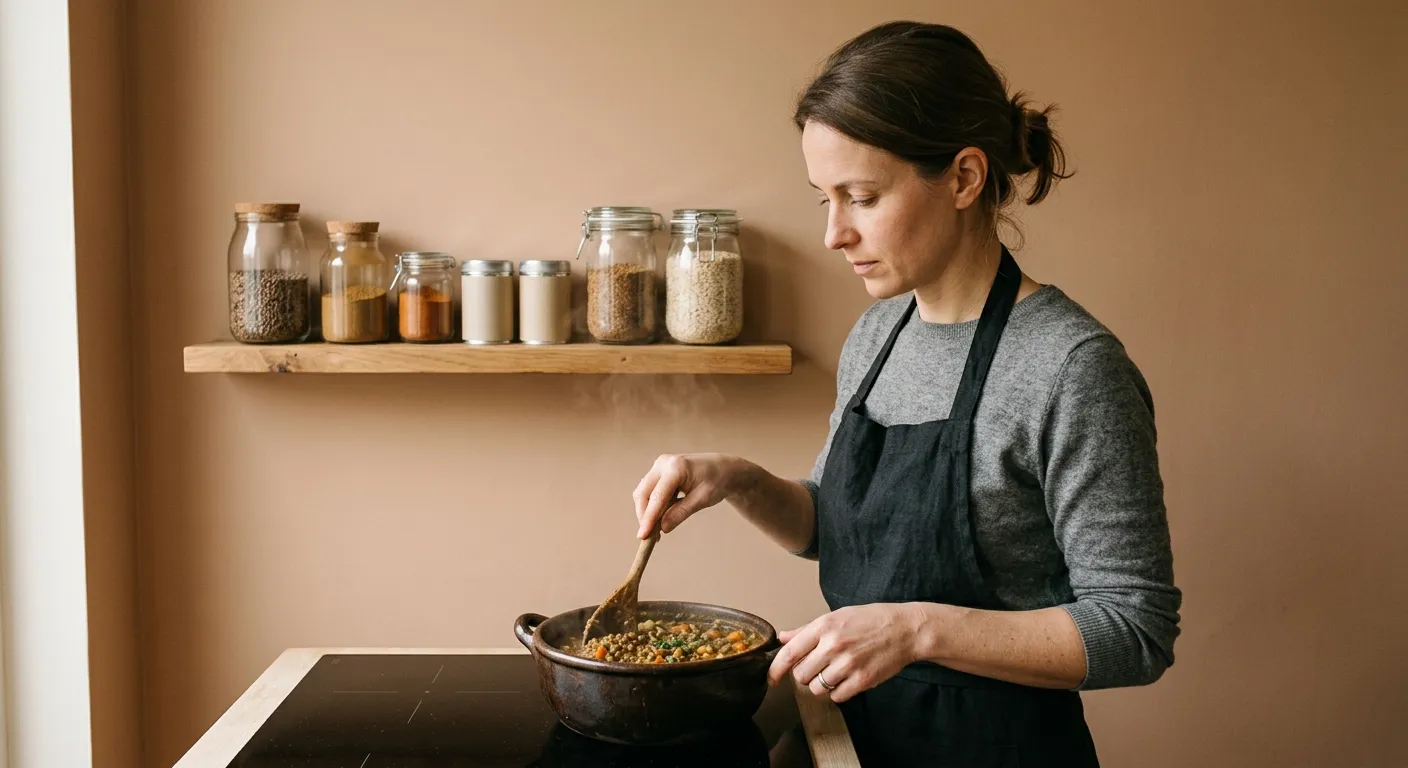
The rule that does most of the work
Store what you eat, and eat what you store. Emergency guidance from FEMA and Ready.gov says the same thing in plainer words: build the supply from foods your family already eats, and you may not need to buy much special at all. FEMA notes that canned goods, dry mixes and other staples already on your shelves can make up the supply, as long as you check dates and use the oldest first.
It matters because food that nobody likes does not get eaten, so it sits until it is out of date. A pantry of things you cook every week is turned over automatically. The stockpile is just a bigger version of your normal shelf.
Build the list from your own meals
Do this once, on paper, and it saves a lot of wasted shopping.
- Write down the dinners you cook most weeks. Ten is plenty.
- Next to each, list the ingredients that keep: tins, dry pasta and rice, jars, sauces, dried herbs, oil, stock.
- Circle anything that turns up in more than one meal. Tinned tomatoes, onions, rice and beans usually top the list.
- Those circled items are your core stock. Aim for enough of each to cover the meals you would make in a week or two.
- Look for the fresh ingredients in those meals that have a shelf-stable stand-in: tinned tomatoes for fresh, dried mushrooms, UHT or powdered milk, frozen vegetables.
If you cook a lot of pasta and sauce, stock pasta and sauce. If your household eats mostly rice and curry, stock rice and the curry base. A generic list from a website will always miss what your family actually likes.
The odd items nobody uses
Every stockpile has a few things bought with good intentions. A big bag of dried chickpeas that nobody has soaked in two years. A tin of something exotic.
Do not throw them away. Cook them soon, in a normal meal, while you still have choice. Give unopened tins to a food bank or a neighbour well before the date, not after. Then do not buy that item again unless you have actually decided to eat it.
A small number of comfort foods is worth keeping even if they are not everyday items. Ready.gov lists them for a reason: chocolate, biscuits or a favourite tea help when everyone is tired and worried. Just keep them in the same rotation as the rest.
Check your list against the stock
Every couple of months, look at the shelf and compare it with your list. Anything that has stopped being eaten comes off the list. Anything you keep running out of goes on it with a bigger quantity.
This is where a tracking tool earns its keep. In Prepparia you record what you add and use, and the plan shows what you are short of against your household size. A notebook does the same job if you stick with it. What matters is that the list follows what you really eat, not what you thought you would.
Questions about stockpiling what you eat
Is it a bad idea to buy food I do not normally eat?
Not always, but it is the main reason stockpiles go to waste. If you do want a new item, try it in a normal meal first. If nobody likes it, do not buy a case.
How much of each item should I keep?
Enough to cover the meals you would cook with it over the period you are planning for, usually one to two weeks. Then top it up whenever you use one.
What if my diet is restricted or I have allergies?
Then this rule matters even more. Build the stock only from foods that are safe for everyone in the household, and check labels each time, because recipes change.
Where this comes from
See FEMA: Food and Water in an Emergency and Ready.gov: Food for the official advice to build a supply from foods your family already eats and to include comfort foods.
Related guides
Be prepared!